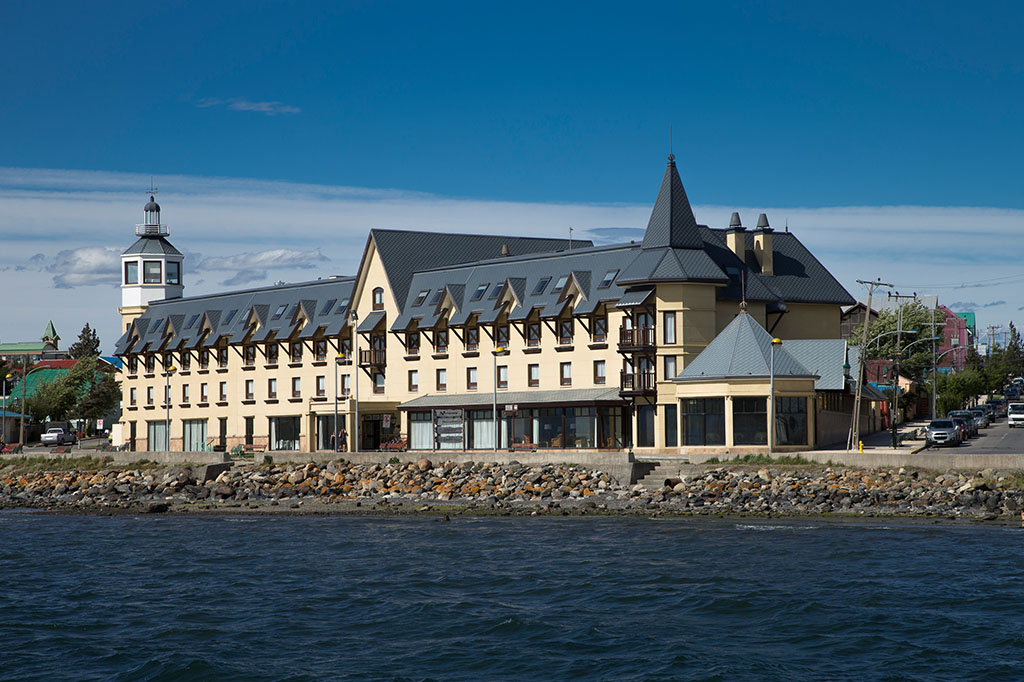
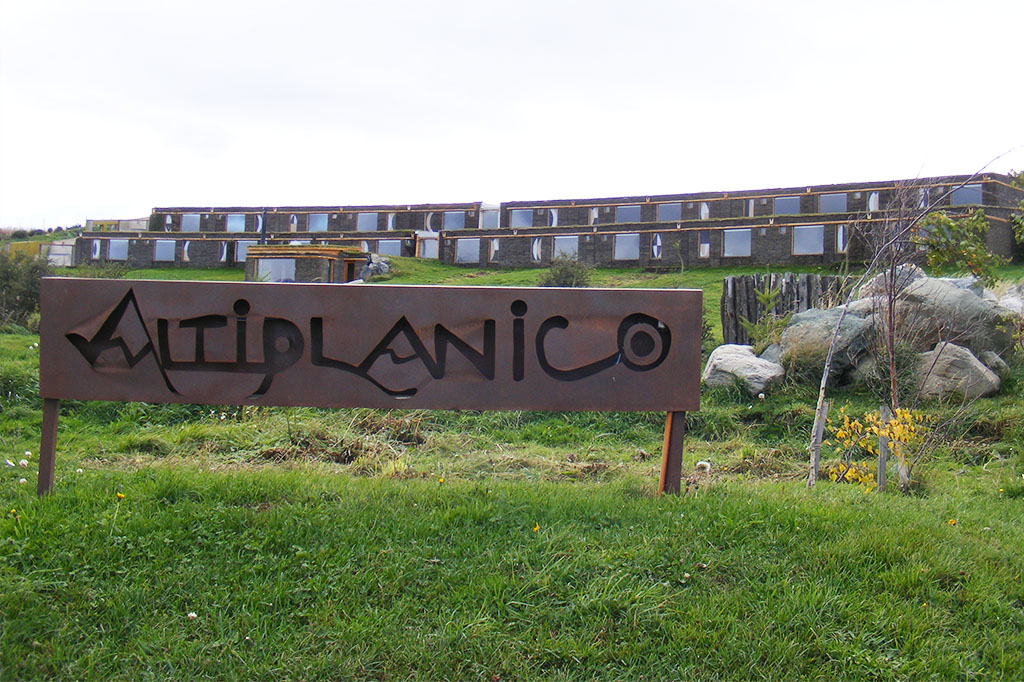
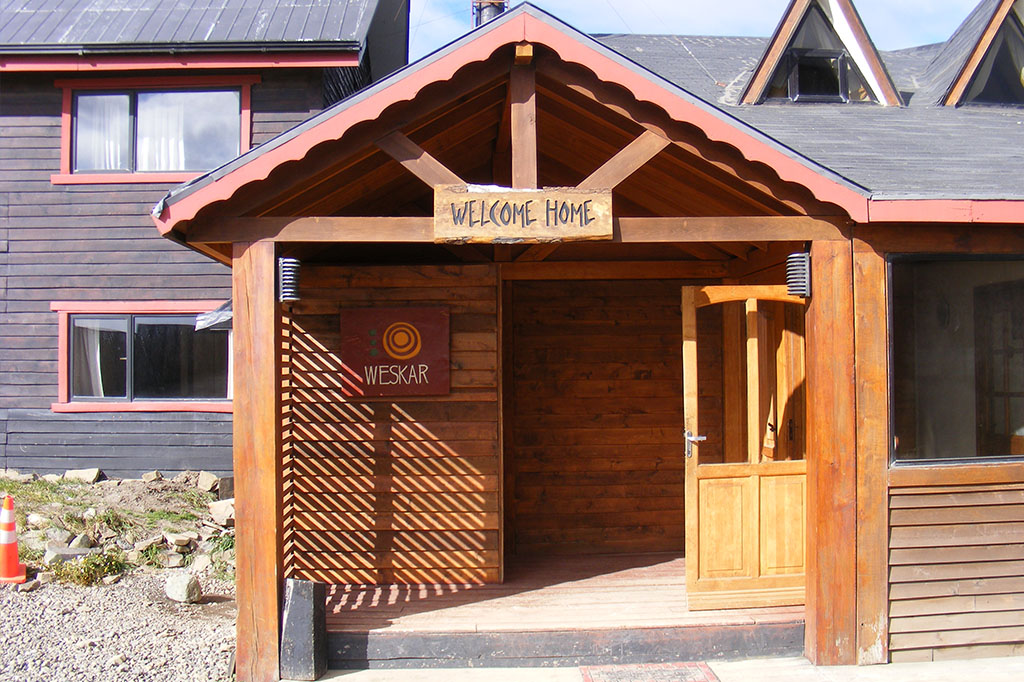
Caleta Gonzalo, Carretera Austral, Patagonia, Chile

Parque Pumalin, Caleta Gonzalo, Carretera Austral, Patagonia, Chile
Introduction

Located: 92km (approx) South from Hornopiren

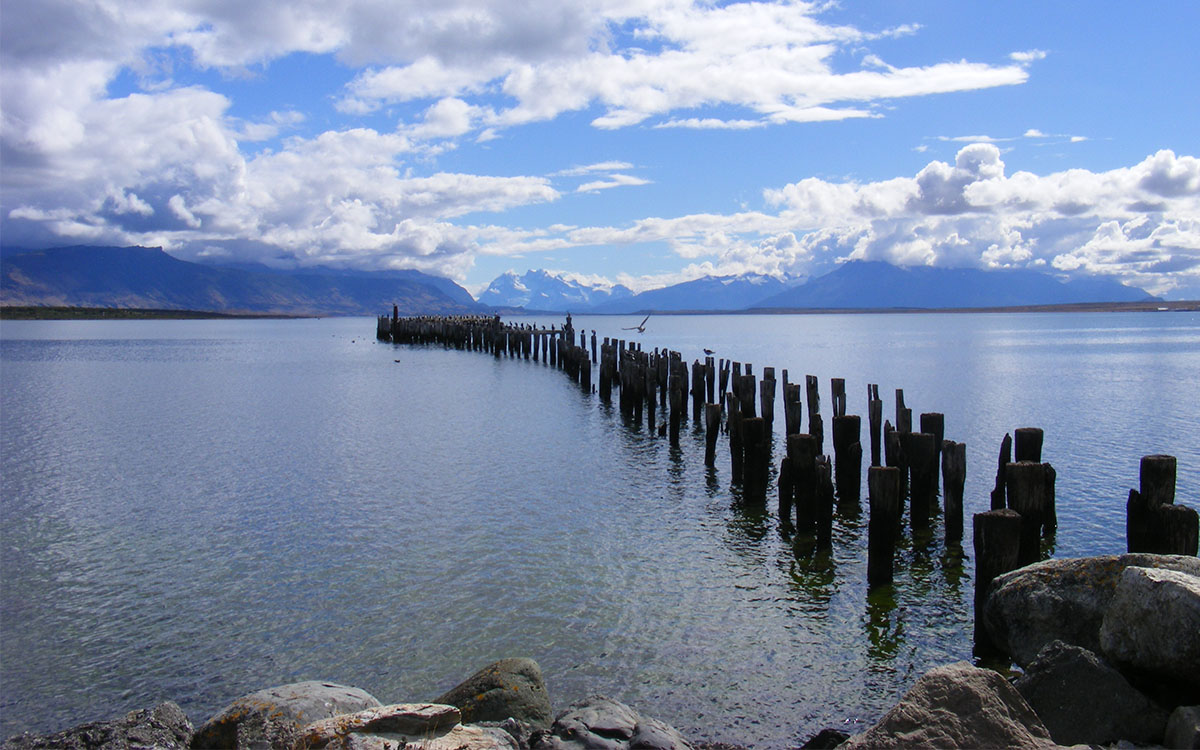
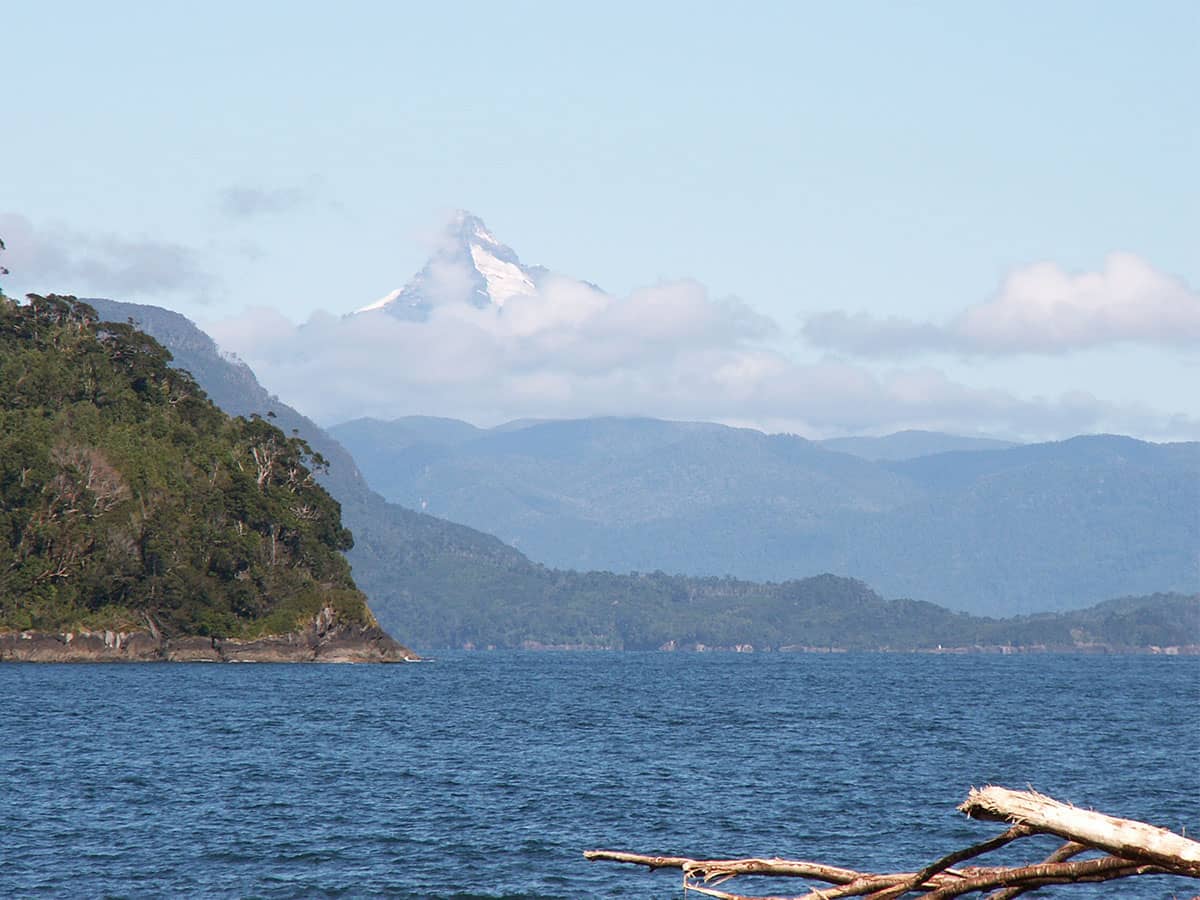
Caleta, which means “fishing dock”, Gonzalo is basically a landing ramp that leads from the water’s edge to the top of the shore where there are some cabins. This is also the entry point to get into the Pumalin Park.

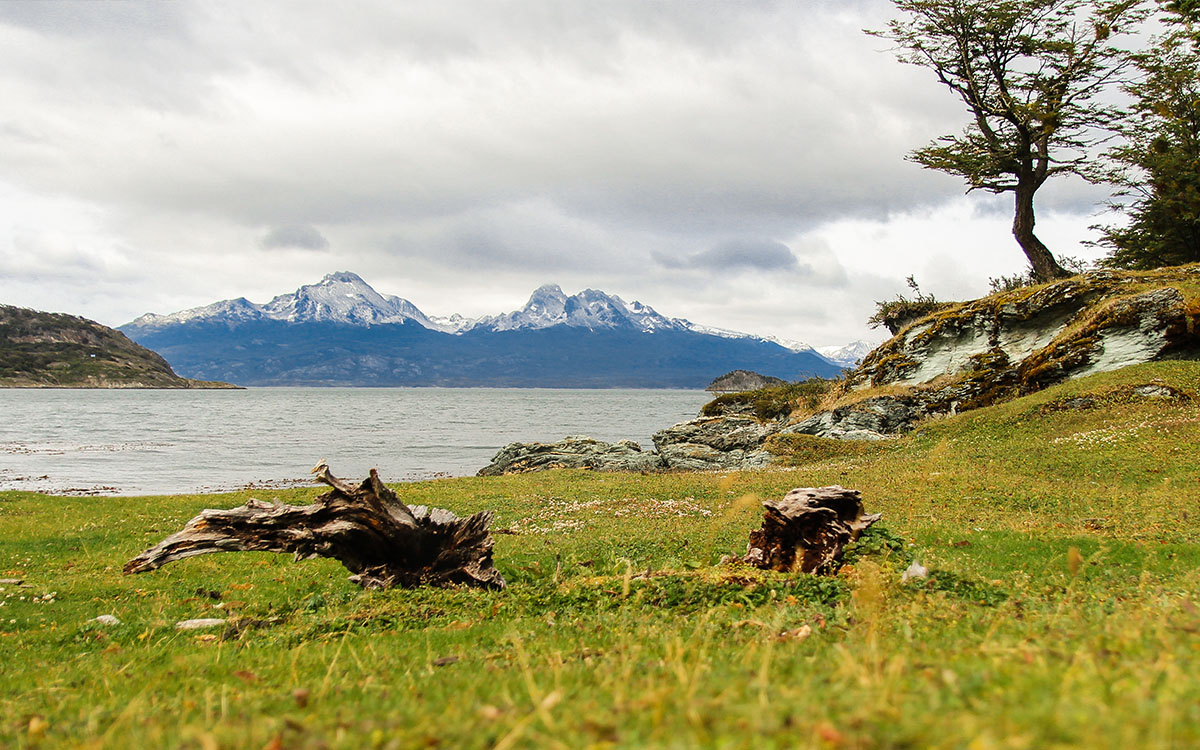
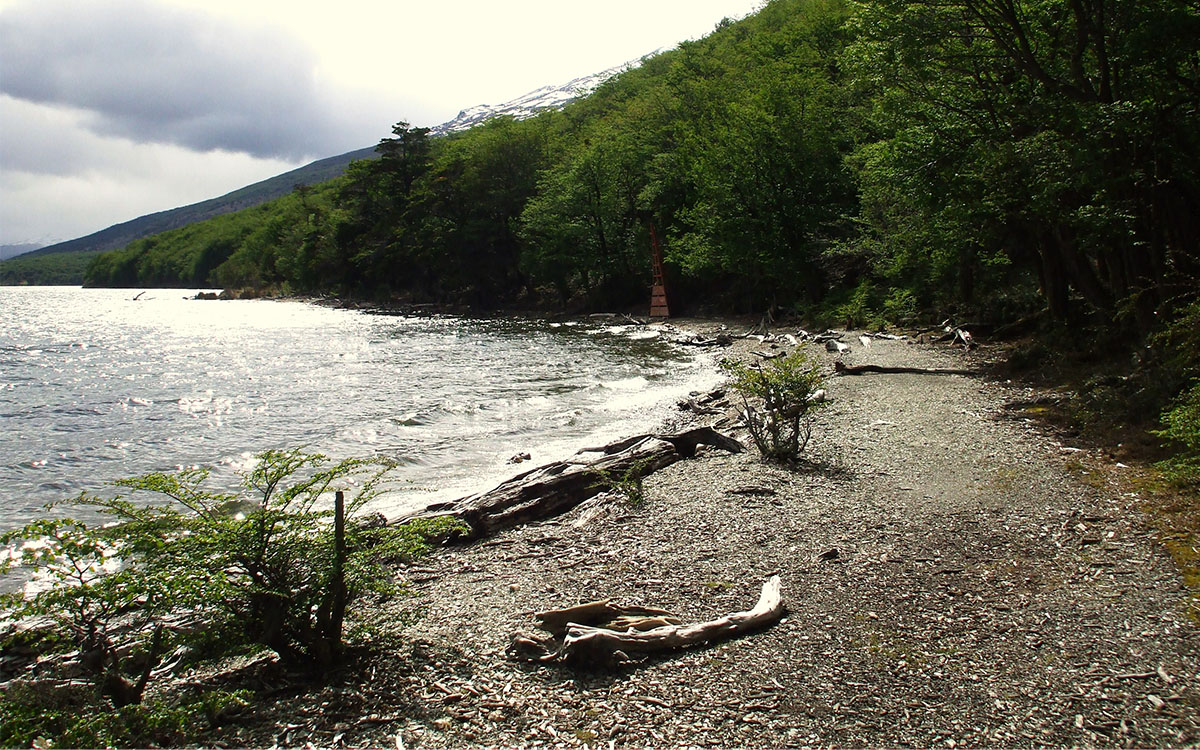
This caleta is beside the Reñihue Fiord. Around this area are steep-sided forested mountain sides that come down to the water’s edge.

Brief details
  • Open: Year-round
  • Area: 994,332 acres
  • Climate: Temperate Rainforest
  • Rainfall: 235 inches annually
  • Ecosystem: Rainy and mild
  • Founded: February 28, 2018
Can't Miss
  • Explore the Reñihué and Comau Fjords.
  • Look for marine life from Caleta Gonzalo.
  • Hike up the Chaitén Volcano, which erupted in 2008.
  • Visit the glacier found on the Michinmahuida Volcano, via the Michinmahuida Trail or Ventisquero Trail.
  • Walk through the forests of Alerces (Los Alerces Trail).

What’s Here?

The Pumalin Park is the park created, and donated by Douglas Tompkins, (deceased) through the “Fundacion Pumalin”, to the Chilean nation in 2017. Douglas Tompkins made his fortune from the sale of the North Face (a company that he had started), and the Esprit clothing retail business (that he also started), and he used it to buy swathes of land in Chile and other South American countries with the ultimate aim of preserving these territories from any destruction or development.

The Park covers 402,392 sq2 hectares. Here, there are millennial-aged trees such as the Alerce, some dating back thousands of years. That reality on its own is quite “mind blowing” when you consider that it is possible to touch a living tree that started its life before the birth of Jesus Christ.

The Park is all about the natural world, an area devoid of development, aside from the small access that visitors have in order to enjoy this encounter with nature. The Park contains various trekking trails that allow penetration into the forest and to areas where you can see the hanging glaciers such as the Amarillo, the volcano Michimahuida and the Tabique hill as well as the Yelcho glacier.

Parque Nacional Pumalin Douglas Tompkins

The deep forests of Pumalín reach all the way to the fjords, creating one of the most spectacular coastlines on the planet. Hundreds of waterfalls cascade down from glaciers, falling over steep granite walls, as the Michinmahuida and Chaitén Volcanoes crown the landscape. The park’s most notable feature is the threatened Alerce (Fitzroya) tree––25 percent of Chile’s remaining Alerces can be found in this National Park. These ancient trees’ 3,000 years of life help to tell a timeless story of this pristine ecosystem, tucked in the Palena Province.

Note: ExperienceChile.Org will create a custom-made travel itinerary to your specifications. Just let us know.

Partner Hotels Caleta Gonzalo

Hornopiren, Carretera Austral, Patagonia, Chile

Hornopiren, Carretera Austral, Patagonia, Chile

Introduction

Located: 109km South from Puerto Montt (via the ferry crossing, but 237km by road only from Puerto Varas, via Puelo village)

Hornopiren is a tiny, “sleepy” village nestled on the edge of the Hornopiren National Park. Accommodation here is basic and rustic. This village is a good place to stay if you wish to explore the Park as well as being the point of departure for the ferry that links the Carretera Austral to Caleta Gonzalo.

Brief details
  • Open: Year-Round (We recommend visiting between November – March)
  • Area: 170,985 acres
  • Climate: Rainy and mild
  • Rainfall: 89 inches annually
  • Ecosystem: Temperate Rainforest
  • Founded: October 19, 1988
Can't Miss
  • Walk to Lake Pinto Concha
  • Visit the Río Blanco Waterfall.
  • Explore the evergreen forest of Alerce, Tepa, Ulmo, and Luma trees, among other species
  • Hornopirén Volcano, with a peak of 5157 feet above sea level
  • Yates Volcano, with a peak of 6926 feet above sea level

What’s Here?

There is the Hornopiren National Park, containing the Hornopiren volcano at 1,572m, and the waterfalls of the River Negro. If you are able, and have the time, there are the natural hot springs of Cahuelmo, Porcelana, Pichicolo and if you can get on a boat there is Llancahue hot springs located on an island in the fiord.

However, in short, the village is surrounded by natural, native forest on steep mountain sides, and at the tip of the Comau fiord.

Parque Nacional Hornopiren

Hornopirén National Park, “snow oven” in Mapudungún, forms part of the regional ecosystem of evergreen temperate rainforests. It is known for its rich biodiversity, high levels of endemic species, and thousands-of-years-old trees. This park is part of the World Biosphere Reserve of Temperate Rainforests of the Austral Andes. It features nearly 22,240 acres of Alerce trees. The Hornopirén Volcano, although not within park limits, crowns this landscape of mountain valleys sculpted by snowdrifts, lakes, lagoons, and rivers such as the Puelo Chico, the Ventisquero, and the Blanco, which flows into the Comau Fjord, in Huailahué.

Note: ExperienceChile.Org will create a custom-made travel itinerary to your specifications. Just let us know.

Partner Hotels Hornopiren

Puerto Montt, Carretera Austral, Patagonia, Chile

Puerto Montt, Carretera Austral, Patagonia, Chile

Introduction

Located: 1,025km south from Santiago

Located at the end of mainland Chile prior to the start of the Carretera Austral, Puerto Montt is also at the foot of Chile’s lake region. Served with regular, daily flights from Santiago with a flight time of around 2hrs, it is therefore an option for the first night prior to the start of your Carretera Austral adventure, or if you intend to venture out to explore Chiloe Island for the day and / or places such as Puerto Varas, only 22km away, and the Llanquihue lake.

Brief details
  • Open: Year-Round
  • Area: 97,001 acres
  • Climate: Rainy and mild
  • Rainfall: 157 inches annually
  • Ecosystem: Temperate Rainforest
  • Founded: January 3, 1982
Can't Miss
  • Visit the ancient Alerce (Fitzroya) trees in the Sargazo sector of the park––which are around 2,500 years old––or in the Las Chaicas sector of the park, where they’re nearly 3,000 years old
  • See the Las Chaicas waterfall
  • Cross the suspension bridge on the Lake Sargazo trail
  • Visit a few of the lakes you can reach via the trail network, such as Sargazo, Chaiquenes, Triángulo, Chilco, Fría, or Gaviota

Parque Nacional Alerce Andino

The trees of Alerce Andino National Park come from an old and storied lineage. This regional ecosystem remained isolated from the glaciers that covered the area 12 thousand years ago. Today, its forests are a global icon of endemic fauna––one in three species in this forest is not found anywhere else on the planet. Vertical walls of granite surround the park’s fifty or so lagoons, and its rugged geography has long protected millennia-old Alerce (Fitzroya) trees that grow over more than half of the park’s surface. This priceless ecosystem can be found south of Lake Chapo and is classified as a Biosphere.

Chiloe Island

Almost within “touching distance” so to speak, is the green and rural island of Chiloe, which is south west from Puerto Montt. If you have time to visit Chiloe, you will need a couple of nights minimum unless you want to do an “express” day trip. The drive time to Ancud to the north of the island is about 2hrs from Puerto Montt, which includes a 40min ferry ride. And, to Castro, the capital of the island, the drive time will be closer to 3hrs from Puerto Montt. Firstly, you need to drive to a place called Pargua, 60km south west from Puerto Montt and from where the many ferries depart for the crossing over to Chacao on Chiloe Island.

Jesuit Churches

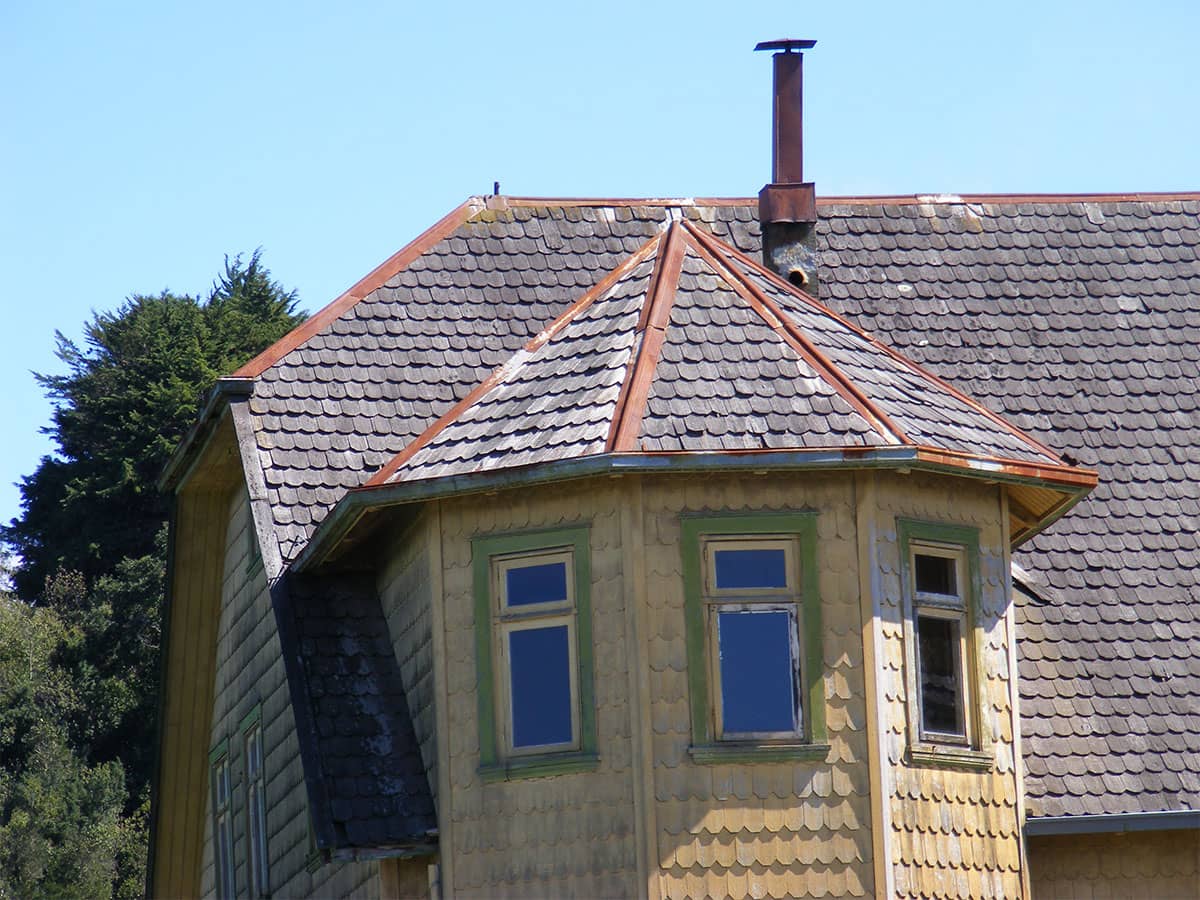
Chiloe is known for is numerous Jesuit churches, entirely constructed from wood and covered in small wooden tiles. There are also marine animals such as penguins and sea lions to see on its western, Pacific coast and the picturesque, brightly-coloured houses on stilts around Castro.

What’s Here?

Apart from being the northern start point for the Carretera Austral, this is the embarkation port for the Navimag ferry that operates between Puerto Montt and Puerto Natales (for Torres del Paine), which also takes passengers. It also has a yacht marina and popular market called Angelmo, where small retailers sell hand-made textiles, food and wooden products.

Note: ExperienceChile.Org will create a custom-made travel itinerary to your specifications. Just let us know.

Partner Hotels Puerto Montt

Puerto Varas, Carretera Austral, Patagonia, Chile

Puerto Varas, Carretera Austral, Patagonia, Chile

Introduction

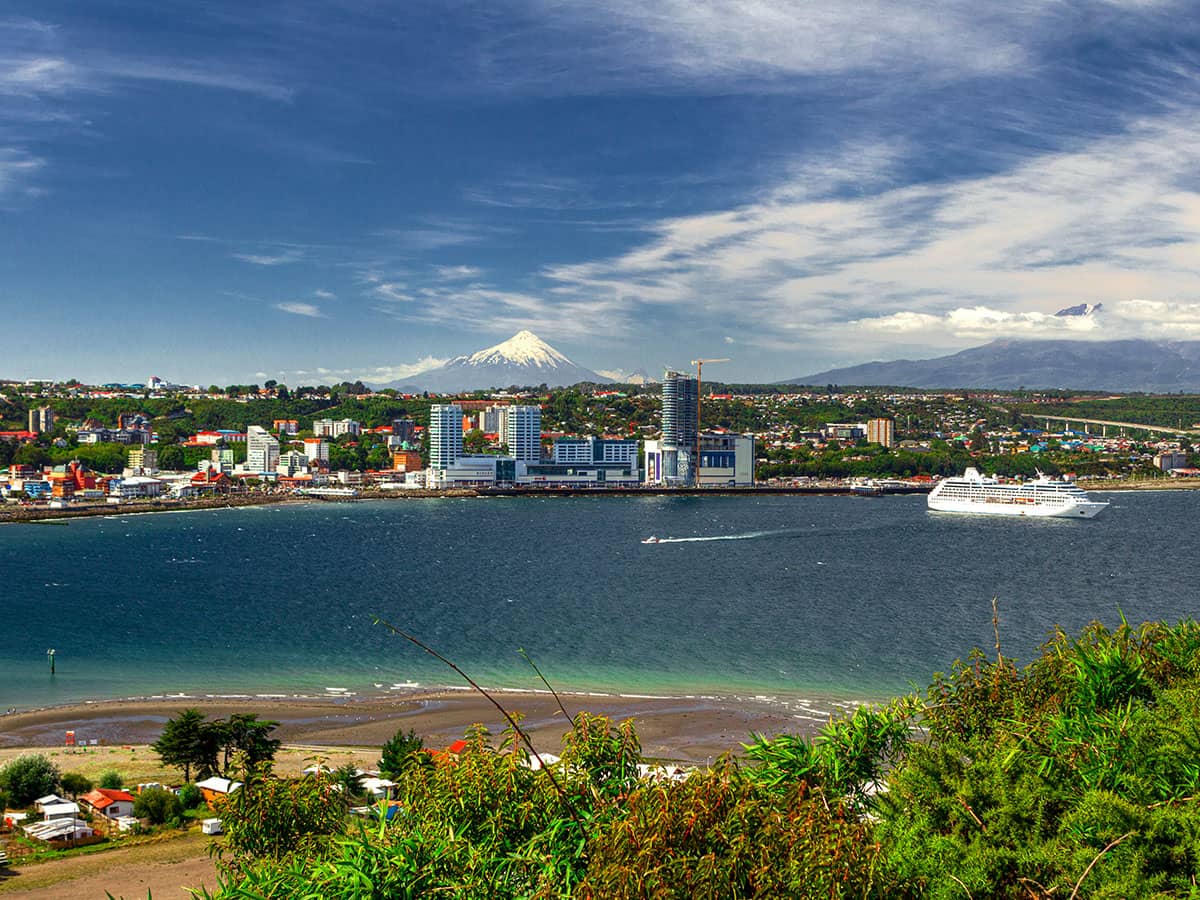
Located 22km north from Puerto Montt, Puerto Varas has a village atmosphere and style, situated by the large Llanquihue lake with direct views to the imposing snow-covered Osorno Volcano. If you decided to start the Carretera Austral from here, you would follow the southern side lake road before passing through a native forest and then pass by the shores of a pretty fiord to get to Puelo and then Hornopiren. Puelo is 125km from Puerto Varas and Hornopiren is a further 90km, therefore, the drive from Puerto Varas to Hornopiren is 215km, half of which is on unpaved road, which means slower average speed. The overall drive time would be around 3hrs, or more, if adding in stopping off time.

What’s Here?

Puerto Varas is one of a number of early settler villages, with a Germanic past. It is also a base from where you can explore the perimeter around the large Llanquihue lake, go halfway up the Osorno Volcano by car, to the ski centre, for spectacular long-distance panoramic views, visit the Vicente Perez Rosales National Park, see the powerful “Saltos de Petrohue” (waterfalls) and the emerald-coloured Petrohue lake.

On the north-western shores of Lake Llanquihue are the early settler, German-style villages of Frutillar and Puerto Octay. If you are into activities there is rafting on the River Petrohue, fly fishing, hiking and tree zip wire routes.

Note: ExperienceChile.Org will create a custom-made travel itinerary to your specifications. Just let us know.
Partner Hotels Puerto Varas

Clothes to Pack & Wear when Visiting Patagonia

Clothes to Pack & Wear when Visiting Patagonia

Considering how unpredictable the weather can be throughout Patagonia, visitors must bring the right clothes and be read for changeable weather situations.

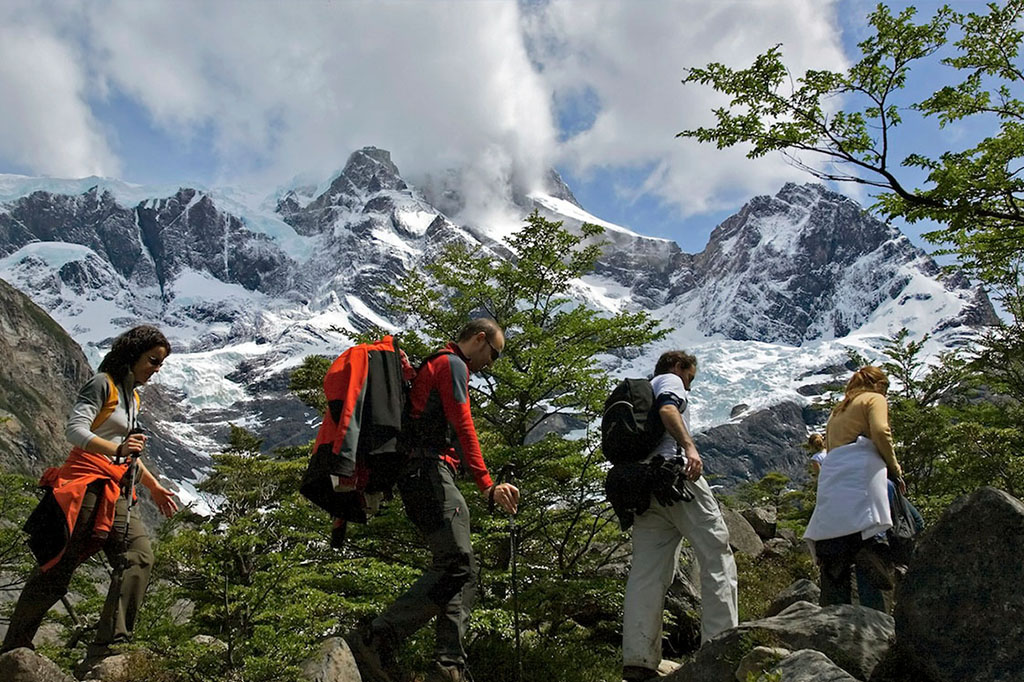
Try to bring LAYERS of “breathable-fabric” clothes. What we mean by this is to have different “layers” of clothing that can be taken off, or put on easily, to adapt to any change in weather and as you heat up and cool down on a trek. For example, you can take off an outer jacket, as well as a polar (fleece) top, or put these on as required, this is what is referred to as “layers”.

Be aware that cotton undershirts are NOT recommended because when you sweat the cotton will not dry quickly. Therefore, you will end up with cold clothing stuck to your body. You will need a synthetic-fibre undervest.

What Clothes to Put on and Where

Underwear for Main Body

An under vest (long sleeved if possible) made, ideally, from synthetic fibres so it dries quickly. If very cold weather (ie early spring, winter months or autumn) then bring thermal underwear made from synthetic fibres. The reason for synthetic fibres is because when you are walking for several hours you will build up a sweat and your under garments will get wet. Consequently, you will get cold when you stop and your wet, cold undergarment will make you colder if made from cotton. Therefore, if you have an under vest made from synthetic material it will dry more quickly.

Over Your Underwear

For your body you need a breathable top such as a fleece, or polar. Most importantly, over your fleece, or polar you need a waterproof, windbreaker jacket.

Your Legs

You will need trekking pants, resistant to rain and wind, but made from a breathable material otherwise you will sweat. Above all, do not use jeans because they are NOT good as they can get wet and not dry.

Over your trekking pants you will need waterproof, shell pants to keep your legs dry in the event of heavy rain.

For your feet, use synthetic socks and waterproof trekking boots with ankle support and a none-slip sole.

Note that if your footwear is new make sure you break them in prior to using them on a trek.

Your Hands

Over your hands you need gloves. For example, close to glaciers it can be very cold.
On your head please consider using a warm hat (not a jockey cap) and a headband to cover your ears, when not using a hat.

Your Eyes

Bring sunglasses. Not only for sunny days, but also when you are close to a glacier there will be a very strong glare.

Your Skin

Don’t forget to bring sun protection cream, and use lots of it.

Extras

For your personal use, bring a backpack for food, water and clothes.
For your safety: a battery-operated torch for when power is out or if you are arriving to a refugio in the dark. Above all, take with you during the trek extra water and snacks. Most importantly, prepare for all weather conditions and dress for the outdoors.

Do NOT - Go off the trail because if you have the slightest incident such as twisting an ankle, you may not be found.

Torres Del Paine   What To Wear

Climate & Weather

El Chalten Climate & Weather

EL CHALTÉN WEATHER
El Chalten Min Max Temp Graph

Hotel Accommodation,
El Chalten, Patagonia

Click on Hotel Location Map above for larger image

Introduction

El Chalten is a small Patagonian village nestled at the foot of mount Fitzroy. It is also inside the Glaciares National Park and grows each year as a trekking destination.

We view hotel selection as being critical to the contribution of the overall experience and enjoyment of your holiday. Some hotels can have nice pictures and maybe very positive reviews – often fake and, of course, they never publish the negative ones!. Often, the realities of if they happen to be close to a noisy road, or night club or sports facility are often not mentioned. Likewise, maybe the rooms are very small, not that clean and so on. There are also some hotels that are literally “a bed for the night” and others that offer an incredible experience in their own right.

We work with all hotels in El Chalten from mid-level upwards. Therefore, should you want a particular hotel included in your itinerary just mention this in the enquiry process.

El Chalten hotels

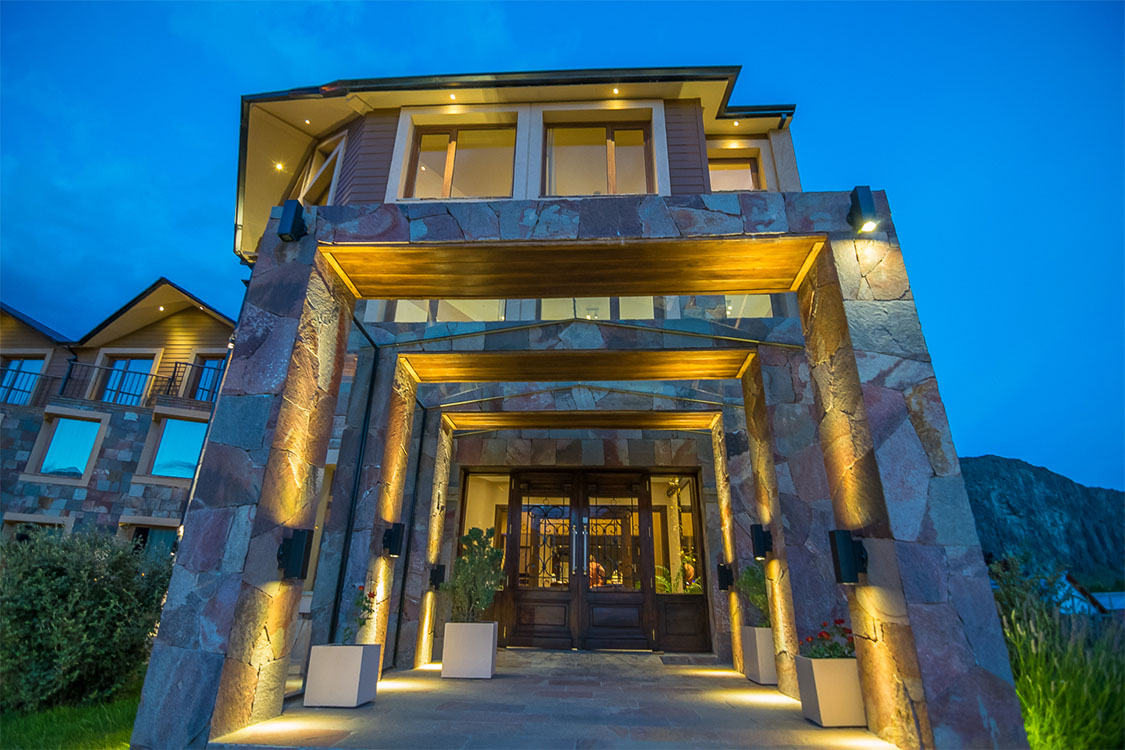
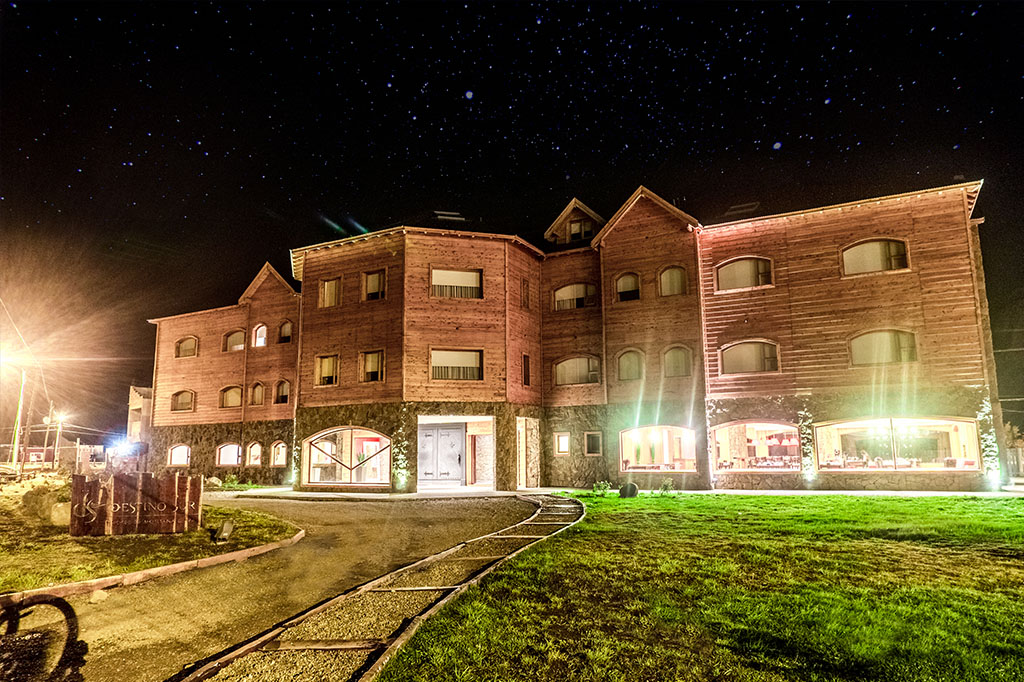
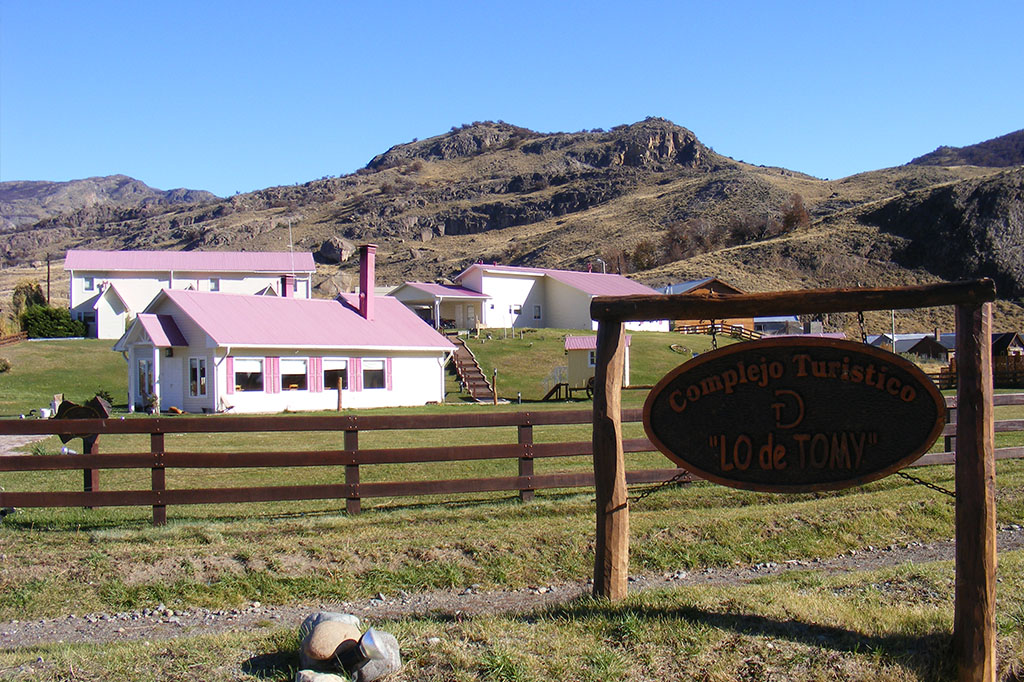
El Chalten offers various options for hotel accommodation ranging from lodges to high-end hotels.

Premium Hotels

What is a Premium Hotel or Lodge?

The reason we have included the properties below in our premium category is quite simply because they excel in all that they offer. These hotels enjoy a unique location, offer spectacular views from many parts of the hotels’ interior and bedrooms.

The level of accommodation is extremely high in terms of comfort, furnishings and interior decoration.

All El Chalten Premium Hotels

Top Level Hotels

The hotels that are the best at the destination in terms of comfort, decoration, service and the overall package we have put into the "top level" category. This does not mean that a hotel in this category is at the same level as another hotel in another destination in our "top level" category. It just means that these hotels are the "better hotels" at this destination out of all options.

All El Chalten Top Level Hotels

Mid Level Hotels

The hotels we have put into the "mid level" category are those hotels that do not merit being in the "top level", but are not at the lowest level either, hence "mid level". Usually, these hotels are perfectly good for a couple of nights and offer "practical" accommodation and facilities. If you are looking for only a "place to stay" and nothing more then a mid-level hotel will suffice.

All El Chalten Mid Level Hotels

Boutique Hotels

Our definition of a "boutique hotel" is one that offers a particular, "personal charm". These hotels are usually small in terms of the number of rooms and also "cosy", even "homely". However, there are also more modern "design" hotels that also come into the category of "boutique". These hotels also small regarding room numbers, but rather than offer the "cosy" feeling they offer the "clean, minimalist" feeling.

All El Chalten Boutique Hotels

Good Level Private Home

In some places in South America people with large private homes have started to offer them as small hotels.

We have come up with the category "Good Level Private Homes" purely as a way to group these properties together. In our view such private homes are usually at a good level. They offer decent room accommodation, nice living room areas, often with good views along with a personal environment. Because each private home is different there is no standard measure.

Some are so outrageously "top end" that they can resemble something out of a James Bond film, whilst others are more modest, perhaps rustic.

All El Chalten Good Level Private Homes

Rustic Lodges

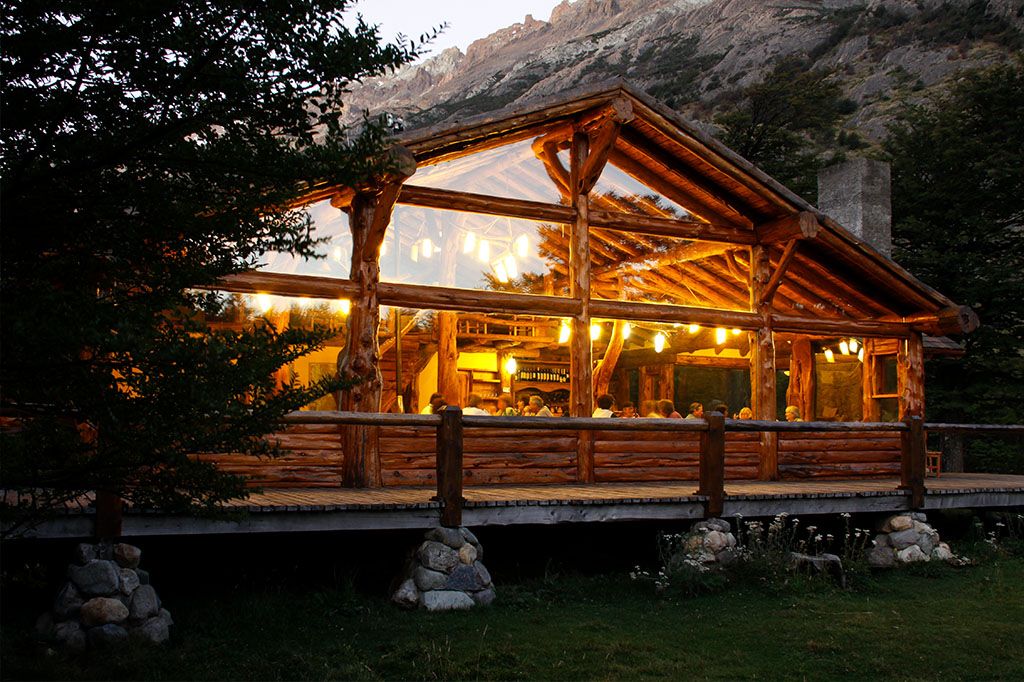
In our view a lodge is a building constructed from natural wood, or at least has natural wood on its exterior as well as natural wood in the interior. Often, both the exterior and interior will have some sections of natural stone to accompany the overall organic appearance of the building.

As with hotels and private homes the types and levels of lodges can vary considerably. Some are at the luxurious level and others are very simple and rustic end of the spectrum.

When we say "rustic" we refer to the overall impression as being a simple place, with no particular high-end interior decoration and / or furnishings. Such places can be nice places to stay at, especially if you are looking to save on cost as well as enjoy a "no frills" environment. Often such places are very homely.

All El Chalten Rustic Lodges

Self Catering Apartments

In some of the destinations we offer there are accommodation options that come with a small kitchen.

Such facilities are for those travellers who prefer to cook their own meals, either because they like to, or to keep costs down. Therefore, a self-catering apartment is just that, it is an accommodation option that comes with a small kitchen for self catering purposes.

Of course, if you stay in such a place you are not obliged to use the kitchen, but you may enjoy the extra space that comes with such places.

All El Chalten Self Catering Apartments

Approved Hotels

During our inspections we ask the hotel owners if we can stay overnight at the hotel. We ask this because staying overnight is vastly different to just popping in with a quick visit. We like to know what the noise pollution is, what the breakfasts are like, how comfy the beds are, what the staff are like.

Therefore, if you see “inspected & approved” we are saying that we feel the hotel is perfectly good. If it does not have “approved” it means we have not stayed overnight or we feel it is not up to the level that our clients will require.

Approved By Experience Chile

Inspected Hotels

The reason we have a selected number of hotels that we choose to work with is because we regularly visit the hotels in Puerto Natales in order to know what they are really like. We cannot rely on the hundreds of often “suspect” reviews published in the internet. Therefore, we try to promote the better hotels that we know will make your trip more enjoyable. However, if you see that we have “inspected” a particular hotel, this does NOT mean that we recommend it necessarily. The ones we recommend are “approved”.

Inspected By Experience Chile

Other Hotels

We also include in the accommodation section information on hotels that are not, perhaps, that great, and in some cases maybe they are a little “tired”, but clients will often ask for such hotels because the cost is lower or because they are under the mistaken belief that they are better than they are. We have not said derogatory things about these hotels, but if you see a lack of enthusiasm in the description you can derive that that particular hotel is “average”.

Activities from Punta Arenas, Patagonia

Punta Arenas (meaning Sandy Point) is the southernmost city on Chile's continental territory. Sat beside the historic Straits of Magellan, a sea channel connecting the Atlantic Ocean with the Pacific Ocean. Consequently, there are a number of activities to participate in if you are staying here.

Activities from Punta Arenas, Patagonia

Note: Experience Chile can include any of the activity options above in your itinerary, as long as we are handling the rest of your itinerary. However, we do not offer any of these options as standalone reservations.

Punta Arenas Places of Interest

The area around the main plaza has some historic, architectural interest as some of the buildings have a similar look and style found in some eastern European countries.

The city tour will usually include a visit to the Bulnes Fort because it is the “birth place” of Punta Arenas, although it is a quite a basic to look at. It is the location of the first settlement until the population moved to where the city is now.

Punta Arenas, Patagonia

Punta Arenas, Patagonia

Welcome to Punta Arenas

Punta Arenas (meaning Sandy Point) is the southernmost city on Chile's continental territory - a 4hr flight from Santiago. Sat beside the historic Straits of Magellan, a sea channel connecting the Atlantic Ocean with the Pacific Ocean. The city centre resembles the architecture found in northern and eastern Europe, which of course is in line with the early European settlers from the Croatia, Serbia and Scotland. The airport here is the main entry point into Chile´s stunning Patagonia, also to Antarctica, and the seaport is the embarkation point for cruises to Ushuaia in Argentina. The city is a relatively clean, modern city with an unusual history based on maritime trade, sheep ranching, coal mining and more recently petroleum extraction.

What we Offer

We can arrange itineraries that include a logistical rest night in Punta Arenas only, or to be able to enjoy some of the activities that originate from here such as seeing the penguins on Santa Magdalena Island (half day), King Rey penguins on Tierra del Fuego (long full day), whale watching as either a long full day, or a night on an island in the middle of the marine park.

Typically, you will need two nights in Punta Arenas to be able to do most of these activities and we would build Punta Arenas into your itinerary pre or post Torres del Paine.

We also offer fabulous Patagonia cruises to Ushuaia and Fly-Cruise combination to Antarctica from Punta Arenas.

How to Get to Punta Arenas

Arrivals to Punta Arenas are usually from Santiago on a flight that takes about 4hrs if direct and 4.5hrs if there has been a stop off at Puerto Montt.

The other ways to get here are by way of the Australis Cruise ship from Ushuaia in Argentina, by a 12hr bus trip from Ushuaia also or a flight from Puerto Williams (Chilean territory opposite Tierra del Fuego and the other side of the Beagle Channel to Ushuaia) or even a long ferry boat trip also from Puerto Williams.

History

Punta Arenas was officially founded in 1848 when the previous, earlier-established settlement, was relocated to its current position. It is the Southernmost city on the American continent. Prior to the opening of the Panama Canal in 1914 Punta Arenas was a vital and major seaport for shipping coming from Europe to the western side of the Americas via the Strait of Magellan (a natural sea passage between the Atlantic and Pacific Oceans avoiding the need to circumnavigate the longer and more arduous journey around Cape Horn), although the Clipper class ships still used the Drake Passage around Cape Horn in order to have enough space for navigational position manoeuvres.

Today, in terms of its maritime importance it is a key stop over for large cruise ships and also the departure point for maritime cruises to Tierra del Fuego and Ushuaia.

The city of Punta Arenas also remains an important fishing port and Chilean Naval base. Punta Arenas is also still a highly important centre for the local wool and lamb trade with the principal exporters operating from here and sending their produce all over the World.

Punta Arenas offers an ideal rest point to break the journey between Santiago and Torres del Paine and is also a place from which to visit penguin colonies in the area. More recently it has also become the base from which to go on a whale-watching experience.

Punta Arenas hotels

Punta Arenas Activities and Places of Interest

The area around the main plaza has some historic, architectural interest as some of the buildings have a similar look and style found in some eastern European countries.

The city tour will usually include a visit to the Bulnes Fort because it is the “birth place” of Punta Arenas, although it is a quite a basic to look at. It is the location of the first settlement until the population moved to where the city is now.

Punta Arenas Activities

Clothes to Bring

Try to bring LAYERS of breathable clothes that can be taken off or put on easily to adapt to any change in weather and as you heat up and cool down on a trek. Cotton undershirts are NOT recommended – see below.

Ideally clothes such as:
  • Over your body skin: an under vest (long sleeved if possible) made, ideally, from synthetic fibres so it dries quickly. If very cold weather (ie early spring, winter months or autumn) then thermal underwear made from synthetic fibres. The reason for synthetic fibres is because when you are walking several hours you will build up a sweat and your under garments will get wet, this then gets cold when you stop and will make you cold unless the wet material dries quickly. Cotton does not dry quickly, whereas synthetic material will dry more quickly.
  • Over your under vest: a breathable top such as a fleece.
  • Over your fleece: a waterproof windbreaker over jacket.
  • For your legs: trekking pants, resistant to rain and wind, but made from a breathable material otherwise you will sweat. Jeans are NOT good as they can get wet and not dry.
  • Over your trekking pants: waterproof shell pants to go over your trekking pants in the event of heavy rain.
  • For your feet: wool or synthetic socks. Waterproof trekking boots with ankle support and none-slip sole. If new make sure you break them in prior to using them on a trek.
  • For your hands: gloves. Close to glaciers it can be very cold.
  • For your head: a warm hat (not a jockey cap), sunglasses and sun-protection cream and a headband to keep your ears warm when not using the hat.
  • For your personal use: a back pack for food, water and clothes.
  • For your safety: a battery-operated torch for when power is out or if you are arriving to a refugio in the dark. Take with you during the trek extra water and snacks. Prepare for all weather conditions and dress for the outdoors. Do NOT go off the trail because if you have the slightest incident such as twisting an ankle, you may not be found.

Puerto Williams, Patagonia, Chile

Puerto Williams, Patagonia, Chile

Introduction

Puerto Williams is a Chilean village on the northern shores of the sparsely populated island of Navarino. It is diagonally opposite the much larger city of Ushuaia, in Argentina. For those who make it here, often depending on the weather conditions, Puerto Williams offers a starting base from which to explore the remote island wilderness, or just take a few days to chill out and be relatively “cut off” from the rest of the World.

It is the southern-most populated village on Earth (prior to reaching Antarctica), located on the northern coast of “Isla Navarino” (Navarino Island) about 50km east from Ushuaia on the opposite side of the Beagle Channel. Founded in 1953 it has a population of around 2,000 people and is a highly important Chilean Naval base.

Puerto Williams, meaning Williams Port, was named after an Irish Captain called John Williams. The village comprises a number of simple, private houses, a plaza, an airport for air connection to Punta Arenas, a small yacht marina and houses for naval personnel.

Navarino Island is an untouched, remote island in the southern tip of South America. Beyond its southern shores is the famous Cape Horn, for which in summer months there are private yachts that offer charter trips to the area (note that these trips can take several days and in rough weather).

The island stands out for its biological diversity and untouched landscapes, as well as retaining a great treasure: the presence of the ancestral, ethnic Yagán people - one of the most rudimentary indigenous cultures with regards to its material development, but at the same time one of the most surprising with its oral tradition, and in its ability to survive around glaciers, canals, strong winds and generally difficult environmental conditions.

To explore the island and area around Puerto Williams it is best to come in the Chilean summer months of January and February and book the services of a local guide. Hotel accommodation is basic, except for one hotel outside the city.

Puerto Williams is connected to mainland Chile by air and car ferry from Punta Arenas (350km north) or by zodiac dingy from Ushuaia, via Puerto Navarino (directly opposite Ushuaia).

Puerto Williams hotels

Places of Interest, Ushuaia, Patagonia

Places of Interest, Ushuaia, Patagonia

Considering that Ushuaia is on the island of Tierra del Fuego in Patagonia and beside the Beagle Channel there are some interesting places of interest and activities to partake in when you are there.

The Beagle Channel

This is, perhaps one of the historically most famous stretches of water in the World. Made famous by Charles Darwin when he circumnavigated the World in search of new eco systems and plant life, his ship was called HMS Beagle and this stretch of water was named after his ship.

It is a relatively narrow channel of water that passes from the Southern Atlantic Ocean on the east and into the Pacific Ocean on the west. Ushuaia, in Argentina, sits on the northern shore of the channel and the small village of Puerto Williams, in Chile, sits on the other side, on the southern shore.

It is possible to cross the Beagle Channel in a rib-zodiac dinghy to get over to Puerto Williams in Chile (by previous arrangement and subject to local weather conditions). All cross border regulations apply.

Catamaran Beagle Channel

There are regular, daily, catamaran trips that depart from an area close to the port in central Ushuaia that offer a navigational trip into the Beagle Channel taking in colonies of sea lions, penguins and bird life as well as a few historically iconic structures such as the light house and an estancia viewed from the sea.

Ushuaia Port

The Ushuaia port is the place where ships come and go for navigations to Antarctica as well as ships that navigate to Punta Arenas, in Chile (Patagonia Cruises).

The Tierra del Fuego National Park

Tierra del Fuego National Park, located about 12km from the Ushuaia city centre. Options in the park include trekking, kayaking and a ride aboard the “End of the World” train. If you have some time on your hands then a visit here is one option to see nature at the end of the Southern continent.

Activities from Ushuaia, Patagonia

Trekking Activities from Ushuaia, Patagonia

Tierra del Fuego National Park Ushuaia

Tierra del Fuego National Park Ushuaia

Introduction

Ushuaia offers visitors a chance to enter the Tierra del Fuego National Park. Options in the park include trekking, canoeing and a ride aboard the “End of the World” train. Information about these activities is further below.

If you have some time on your hands then a visit here is one option to see nature at the end of the Southern continent.

This National Park is located about 12km west from Ushuaia city centre at the end of the ruta 3 and the southernmost park in all of Argentina. Created in 1960, it is the only National Park in Argentina that contains within its boundaries a marine element, with views of the Beagle Channel; coastal forests (of Antarctic Beech, Lenga Beech and Coihue) lakes, lagoons, peat bogs and mountainous landscape. It covers just short of 70,000 hectares, within which there are numerous types of flora and fauna. It is encircled to the west by the Andes and Chilean border, to the north by Lake Fagnano, to the south by the Beagle Channel – and to the east is the city of Ushuaia.

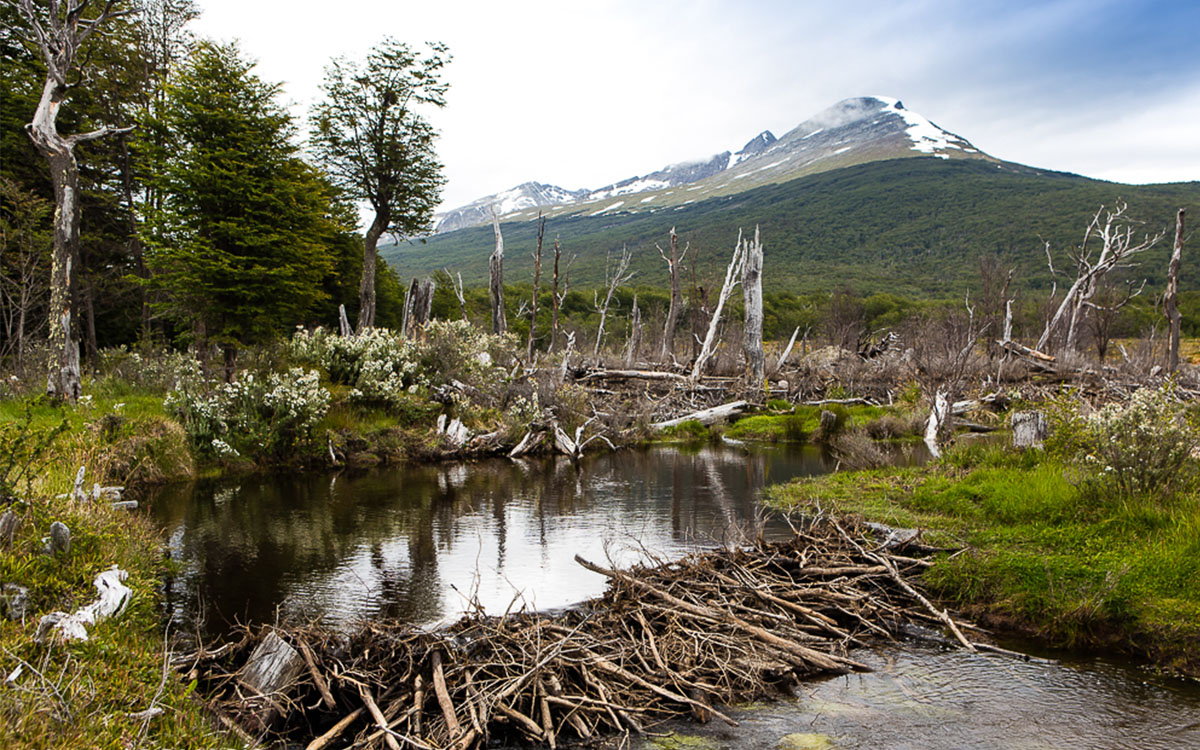
Among the fauna are guanacos, foxes, beavers (which are not native to the area and were introduced), rabbits, and muskrat. There is also a variety of bird life including kelp goose, torrent duck, black-browned albatrosses, the steamer duck, oystercatchers and seagulls at the coastal area and in the forest, there are austral parakeets, woodpeckers and the austral thrush. High above there is often the Andean condor.

Visitor Centre

At the visitor centre there is a good view of the lake Acigami as well as the source of the river Lapataia, Salmon Island and the “Cerro” Condor (Condor Summit), which is the point that divides Chile and Argentina in this area. There is also a café, snack bar and WC’s as well as a souvenir store and cultural exhibitions.

Scenery

The Tierra del Fuego National Park comprises some wonderful, natural scenery including waterfalls, mountains, glaciers, and woodland.

Getting to the Park

Ideally you will book a tour to the park with us, however, if not you can board a minibus at the junction of Maipu Avenue and Juana Fadul street, take a taxi or go in your own rent a car. Do NOT cycle because you are not permitted to ride bikes in the park.

Cost of Entry

Between 01 May to 30 September each year entry is free of charge. From 01 October to the end of February there is a cost, always in Argentine pesos (which changes frequently) and this can be paid in cash, or a well-known debit or credit card.

Where to stay

Most visitors to Tierra del Fuego National Park only spend a day or less.

However, there are four designated camping areas within the park at Río Pipo, Ensenada and Laguna Verde, Cauquenes and Laguna del Caminante on the Andorra-Oveja trek.

The first three have chemical toilets, available from November to April.

Best of all, the camp sites are completely free. If you don’t have a camper van, you can rent camping essentials in Ushuaia for a budget-friendly trip.

End of the World Train

There is a steam train ride that is aptly named “the end of the world train” that offers visitors an opportunity to be transported through scenic sectors of the park without having to move. The train was at one time used to transport prisoners in Ushuaia. However, in 1994 it was refurbished and established as a heritage project. A new steam engine was imported from England in 1995, and another two diesel engines were brought in from somewhere else in Argentina to provide three engines to drive the train around the park. The train station is located 8km west of Ushuaia, which is 3km before the official park entry point, and operates over a distance of 5km, which it covers in about 50 minutes, one way.

Canoeing / Kayaking

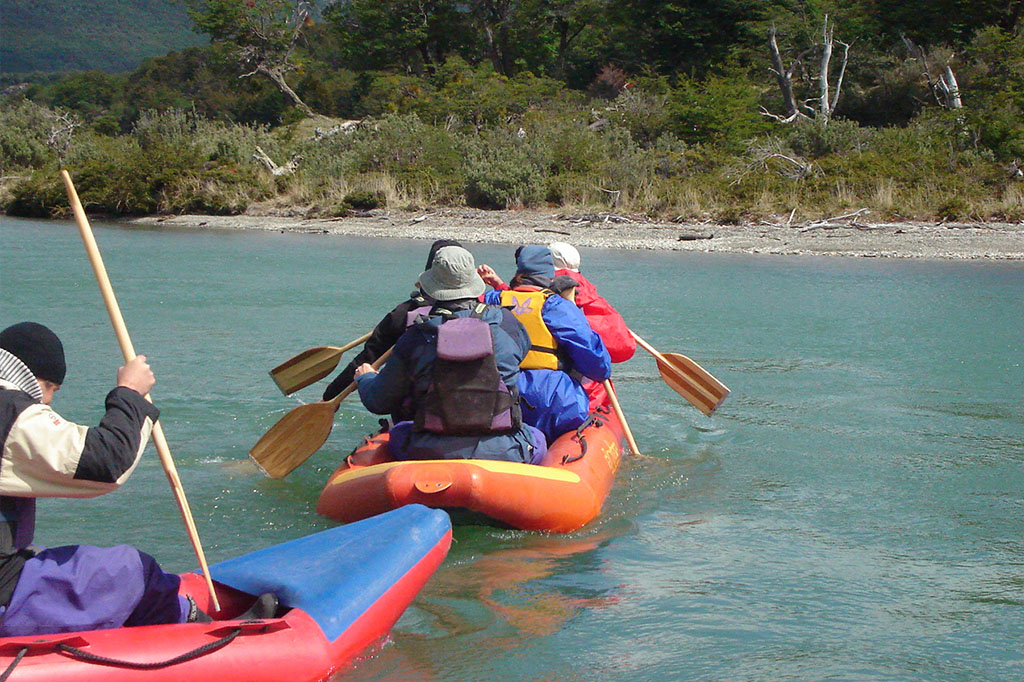
This is an alternative way to navigate rivers, lakes and lagoons; even to defy the strength of the Beagle Channel. It also possible to combine off road tours, trekking, bird sighting.

Hiking (Trekking) from Ushuaia, Patagonia

The park offers hikers a number of well-marked trails to explore ranging from easy to moderate, to more difficult.

The more popular treks are around Zaratiegui Bay, Acigami Lake, which is where the visitors centre is located, and Lapatia Bay.  The coastal path connects Enseñada Bay with Lapataia Bay on Lake Roca.

Below is brief information on the more popular treks.

Other Treks

Trek Pampa Alta trail

  • Operational: October – April
  • Difficulty: Medium.
  • Distance: 10km return.
  • Time: 3 hrs return.
Brief Description

The initial part of this trail follows the shore of the Beagle Channel. In total, the distance is about 10 km and takes about 3 hrs there and back, passing through Nothofagus forest, between Rio Pipo’s valley to the Enseñada inlet Aratiegui.

From Aratiegui you have a panoramic view over the Beagle Channel and its surroundings.

Trek Paseo de la Isla

  • Operational: October – April
  • Difficulty: Low.
  • Time: Approximately 20 minutes.
Brief Description

This trail crosses the Cormoranes Archipelago along the banks of the Lapataia and Ovando Rivers. Good opportunity for watching aquatic birds.

Trek Laguna Negra

  • Operational: All Year.
  • Difficulty: Low.
  • Duration: Approximately 20 minutes.
Brief Description

This is a walk through the forest to reach a peat bog. Good place to explain the peat bogs, peat bogs’ origin and species that live there.

Del Turba

  • Operational: All Year.
  • Difficulty: Low.
  • Distance: 2km.
Brief Description

This is an alternative trail to reach Lapataia Bay. You can see an uninhabited beaver dam, walk besides a peat bog and, at the end, walk through the forest. There is an important panoramic viewpoint from where you can appreciate Lapataia Bay. The path finishes at the Lapataia, panoramic viewpoint: however, if you like, you can continue combining on the the Senda de la Baliza trail (see below).

Trekking in Tierra del Fuego National Park, Ushuaia, Patagonia

Trekking in Tierra del Fuego National Park

Introduction

As with most of the National Parks in Chile and Argentina it is possible to explore the natural beauty and great scenery just by walking. The Tierra del Fuego National Park, just the west of Ushuaia is no exception. Here, below we briefly describe some of the trails that you can hike within this National Park.

Observations

Inside the park there are different camping areas where you can spend the night without leaving the park, they are areas with basic services with toilets and drinking water.

The use of trekking poles is recommended, especially on tours such as Cerro Guanaco.

There are many areas of the trails that are muddy and others that are flooded with water such as peatlands, so it is important to bring waterproof shoes and spare socks to keep your feet dry.

If you do not go in your own vehicle, find out about the return times of the buses, have a taxi number on hand or go mentally to hitchhike, which is also an option.

In the summer in Ushuaia the days are very long, being clear almost until midnight. On the other hand, in winter it gets dark around 4 in the afternoon.

In Tierra del Fuego the weather conditions can change suddenly. Be prepared for cold, rain or snow even in summer. If you see that the weather it’s getting worse, start your return as quickly as possible.

Paying the entrance of the park you have the possibility of spending 48 hours inside it as long as you spend the night in it, or if you leave the park, the rangers will seal the entrance ticket and you will be able to return the next day without paying again.

If you go in your own vehicle you will not have any problem to visit Tierra de Fuego National Park. But if you arrived by public transport or hitchhiking, you will need to organize your itinerary well to get the most out of it.

Trekking Activities from Ushuaia, Patagonia

Ushuaia, Tierra del Fuego, Patagonia, Argentina

Ushuaia, Tierra del Fuego, Patagonia, Argentina

Introduction

The city is often regarded to be the southern-most city in the World (population approx. 65,000 in 2000), however, Puerto Williams, diagonally opposite, and in Chilean territory, is further south, but is a village and therefore not a “city”.

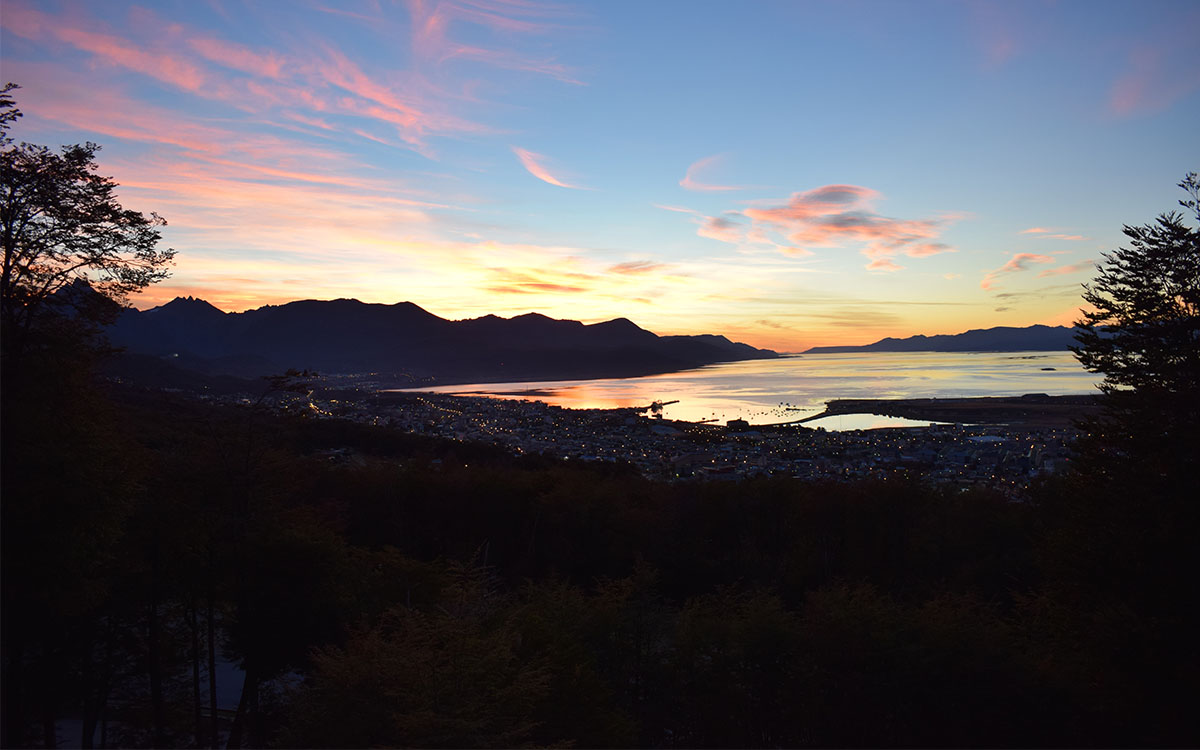
Ushuaia is situated beside the famous Beagle channel, named after the ship Charles Darwin sailed on when he arrived to the area: HMS Beagle (HMS means His or Her Majesty’s Ship). Ushuaia is located on the southern coast of the island “Tierra del Fuego” (land of Fire), called so after the first maritime explorers to the area noticed numerous fires on the land that were ignited by the indigenous people who inhabited the island. The Tierra del Fuego is a large island, south of continental South America.

History

In 1833, when Charles Darwin came exploring the area on board HMS Beagle he encountered a tribe of people known as the “Yamana”. These Indians were known for their strikingly, paint-covered bodies.

The first time the name Ushuaia appeared in writing was when, in 1869, the English missionary Waite Hockin Stirling documented his experiences of living with the “Yamana” people. More British missionaries arrived in 1870 and established a small settlement, erecting European-style houses which were pre-built in the Falkland Islands and shipped over. One such house was for the Reverend Thomas Bridges. His house comprised of two bedrooms and a third room. The bedrooms were allocated one for the Bridges family and the other for a married “Yamana” couple, and the third room was used as the chapel. In 1871 the first official marriage was recorded and in 1872 Thomas Despard Bridges was registered as the first birth in Ushuaia to a European.

It was not until 1873 when Argentine citizens arrived to teach at the newly-constructed school and the Argentine President, Julio Argentino Roca, decided to make Ushuaia a penal colony for serious criminals. This was likely based upon the British model of using Tasmania and Australia for the same purpose of sending criminals to a point as far away as possible from the main population of the country.

However, behind this plan was also a ploy to establish an Argentine colony for Argentina to lay claim to Tierra del Fuego, which eventually became formalized in 1881 after a boundary agreement between Chile and Argentina. The plan to build the new prison also required the construction of more houses for staff and logistical support personnel. Nevertheless, it was not until 1896 when the prison was officially recognized with an Executive Order issued from President Roca whereupon it could receive its first inmates.

On the 12th of October 1884, as part of the South Atlantic Expedition, Argentine Commodore Augusto Lasserre established Ushuaia as an Argentine sub-division, with the missionaries and naval officers signing an “Act of Ceremony”. Don Felix Paz was appointed as the Governor of Tierra del Fuego, and in 1885 then he decided that Ushuaia would be the Island’s capital. However,  it was not until 1904 when the Federal Government of Argentina followed through and recognized Ushuaia as the capital of Tierra del Fuego.

Ushuaia suffered several health epidemics, which were brought in by settling Europeans including typhus, whooping cough and measles. These illnesses decimated much of the native population, but because the indigenous “Yamana” people were not included in the census data the exact numbers of “Yamana” who died is not known. The first census was carried out in 1893 and recorded 113 men and 36 women living in Ushuaia (but not considering any “Yamana”).  By 1911 practically all the “Yamana” people had died and the original mission was closed. However, in the 1914 census (only 21 years later) the population had grown to 1,558 inhabitants.

In 1903 a military prison opened at the nearby Puerto Golondrina, which later merged with the original public prison in 1910, and continued to operate through to 1947, when President Juan Peron closed the facility by executive order due to reports of prisoner abuse. The building continued as a storage and office facility for the Argentine Navy until the early 1990’s. Today it is the Ushuaia Maritime Museum.

Ushuaia as since attracted farming pioneers, people who settled here and built estancias from where they farmed (and still do) mainly sheep, but also cattle. More recently the city has attracted people who want to work in the tourist industry.

Today

Ushuaia is now a flourishing southern, Patagonian city. Due to its sheltered, maritime location combined with its logistical “closeness” to Antarctica its port facilities offer the ideal departure point for the numerous ships that navigate from here to the Antarctic peninsula. Also, there are Patagonia cruises between Ushuaia, via the numerous channels and fiords, to Punta Arenas in Chile (farther north) and such a trip offers the idea add-on before or after visiting Torres del Paine and / or El Calafate and El Chalten.

The city is dominated on its northern side by the tail end of the Andes mountains and on its southern shore is the Beagle Channel connecting the Atlantic and Pacific Oceans. The other side of the Beagle Channel, and in clear eyesight is Chile, or the Chilean island of Navarino to be more precise, which is home to Puerto Williams.

Ushuaia is an ideal resting place prior to embarking on an Antarctic expedition, or upon returning from such a trip. There is the National Park to visit, boat trips into the Beagle Channel to see penguins, sea lions and other marine life, as well as kayaking and an off-road adventure into the back country to further experience the natural world.

Hotel accommodation varies from budget, through to moderate and up to the high end. If you have the funds, the high end offers top-level comfort and great views over the city or across the Beagle Channel whereupon the early morning sun rise is a wonderful spectacle to enjoy.

Ushuaia hotels

Ushuaia Activities and Trekking

Activities from Ushuaia, Patagonia

Activities from Ushuaia, Patagonia

Ushuaia is situated on the southern tip of Tierra del Fuego Island in Patagonia with the Andes at its back and the Beagle sea channel at its front. Consequently, there are a number of activities to participate in if you are staying here.

Here we give a brief summary on some of the options.

Activities from Ushuaia, Patagonia

Trekking Activities from Ushuaia, Patagonia

Mountain Bike Circuits

Riding through different circuits, in the city or in the countryside, alone or with guides, is a way of enjoying natural landscapes in a chilled, healthy way.

Most characteristic circuits go across panoramic and historic points of the city, the roads of Tierra del Fuego National Park, the coastal trail of Playa Larga and Túnel Ranch or a combined excursion to the base of Martial Glacier.

Puerto Natales Patagonia, Chile

Puerto Natales Patagonia, Chile

Welcome to Puerto Natales

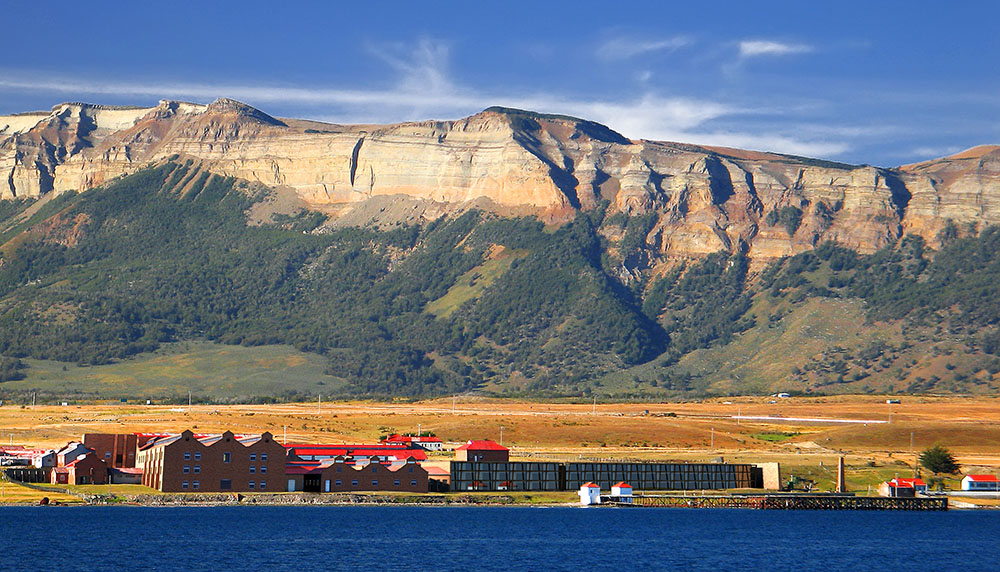
Puerto Natales is the closest village to Torres del Paine (TDP), which is only a 1hr drive if entering TDP from the west or a 2hr drive entering from the east. It is a small, almost quaint village sitting beside the “Canal Señoret” and facing the Sound (or Fiord) of Last Hope (“Seno de Ultima Esperanza”).

It is 250km north of Punta Arenas (3hrs) and 120km south of the Laguna Amarga entrance to Torres del Paine National Park (by road) (2hrs), but only 70km by road (1hr 15min) from TDP if entering from the west.

We suggest that you consider staying in Puerto Natales to benefit from a village atmosphere, nice restaurants, and good hotels at less cost than in the Park.

Description

Puerto Natales is a small settlement located in an area surrounded by natural beauty. From the water's edge you can see at the far end of the "Fiord of Last Hope" the glaciers coming down the mountain and if you know where to look on a clear day you can also see the western part of the Torres del Paine Central Massif – the snow-covered Paine Mountain. It is a nice place to rest pre and / or post Torres del Paine. It is also an ideal base to stay at and visit Torres del Paine each day.

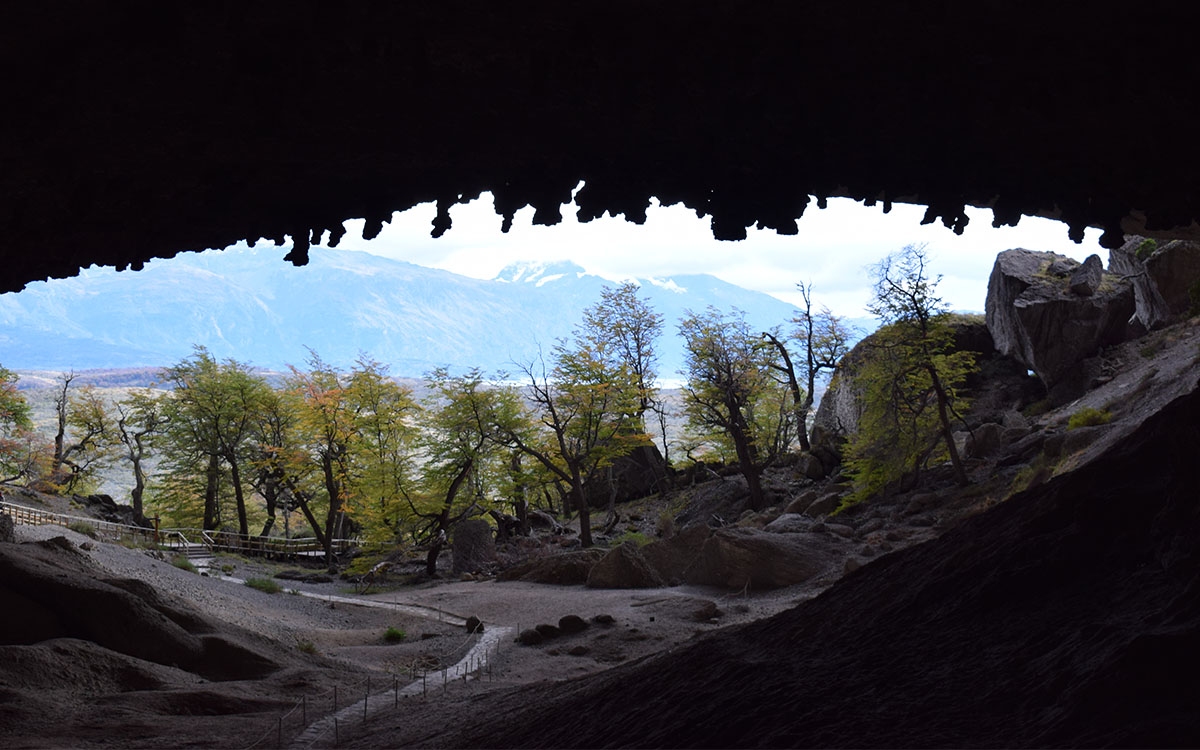
A good, paved road connects Puerto Natales to Punta Arenas and takes about 3hrs to drive. The road to Torres del Paine is paved as far as the border village Cerro Castillo, which takes about 50min to drive to and then a further 1hr 10min to drive the partly-paved road to Laguna Amarga in Torres del Paine. The other route from Puerto Natales to the Villa Serrano end of Torres del Paine is unpaved and takes just over one hour to drive and leads to the western entrance into Torres del Paine and the central CONAF Administration centre. This route also passes by the interesting and impressive "Milodon Cave" - a large, high ceiling cave dating back to prehistoric times.

Apart from Puerto Natales being an ideal stop-over place or an excellent base from which to enter Torres del Paine on day trips, it is also a base from which to travel to El Calafate or Punta Arenas. Accommodation in Puerto Natales at the high end is at an extremely good level.

One of the benefits to staying based in Puerto Natales is that there are the attractions of evening life such as restaurants and bars.

If you can walk down to the shore from the Church and look to your right, you will get a magnificent view of the fiord (or sound) and glaciated mountains at the end.

Puerto Natales hotels

Puerto Natales Places of Interest

Puerto Natales is the ideal place to stay pre, and post, your visit to Torres del Paine, or to be based all the time in Puerto Natales at a lower-cost hotel than staying in Torres del Paine itself, yet visit the Park every day.

Read about some of the places to visit in and around Puerto Natales, including in Torres del Paine as well some activities to participate in.

We Offer

We offer many itineraries that include a night or more in Puerto Natales. This is an ideal place to break the road trip between Punta Arenas and Torres del Paine (TDP) as well as relax and enjoy the tranquillity of the natural fiord (see below) beside which is the village.

There are also a couple of high-end, "World Class" hotels that merit a few nights stay to enjoy what they have. Another option we offer is to create an itinerary where you are based in Puerto Natales and venture out daily to Torres del Paine either to do the W trek or to see the sights. Staying in Natales will enable you to have a single, comfortable base from which to explore the area and return back to at the end of each day.

We suggest a night in Natales upon arrival and the next day either a fast-speed zodiac into Torres del Paine, a road transfer into TDP, or just a day to rest. A typical itinerary would be 1 night Natales, 4 nights TDP, 1 night Natales or over to El Calafate, however, if you have more time more nights would be even better.

Places of Interest and Activities from Puerto Natales, Patagonia

Places of Interest and Activities from Puerto Natales, Patagonia

Puerto Natales is the ideal place to stay pre, and post, your visit to Torres del Paine, or to be based all the time in Puerto Natales at a lower-cost hotel than staying in Torres del Paine itself, yet visit the Park every day.

Here, we explain about some of the places to visit in and around Puerto Natales, including in Torres del Paine as well some activities to participate in.

Places and Activities Close to Puerto Natales

Torres del Paine National Park

Torres del Paine (TDP) is only one hour from Puerto Natales via the estern, Serrano entrance and two hours via the eastern, Laguna Amarga entrance. Depending on your destination, it the distance from Puerto Natales to Torres del Paine can be shorter and quicker than going from one place to another within the Park.

Consequently, we say to may of our clients: consider staying in Puerto Natales all of your time and avoid the high cost of hotels within the Park.

On the basis of daily access to TDP we can suggest and include in your itinerary some, or all, of the Torres del Paine activities and places of interest below.

The Miradores (the viewpoints) Torres del Paine

On a typical day tour of Torres del Paine a number of viewpoints will be stopped at whereupon you can marvel at the view and take pictures. The main viewpoints are:

Mirador Cuernos

This involves a short, hour trek up from the Salto Grande (see below) to a point where there is a direct view of the massive Cuernos del Paine (the horns of Torres del Paine).

Mirador Condor

This is an area located about 100mts up the side of one of the hills near the Hosteria Pehoe (the hotel on a small island on Pehoe lake). From here there are wonderful views of the Torres del Paine massif and, if you are fortunate, condors often glide in the sky in this area.

Mirador Salto Grande

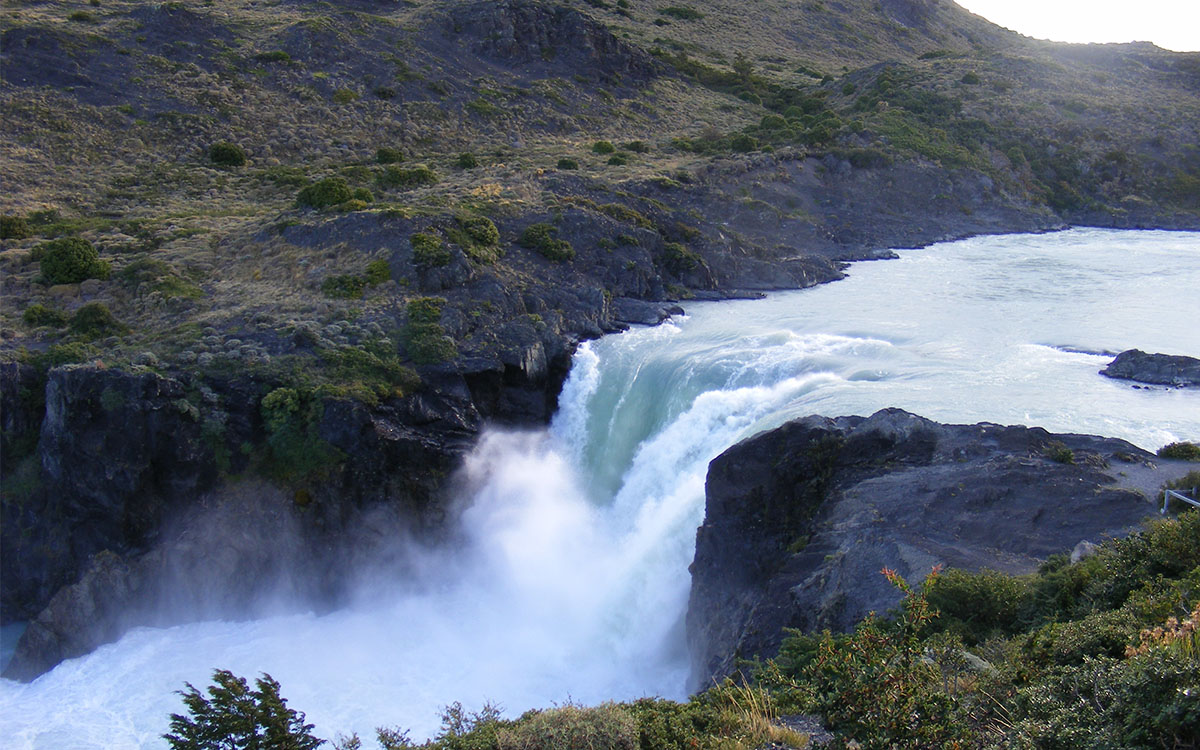
The word “salto” in Spanish means jump, and when applied to water coming from one hight and dropping down to a lower height, it means waterfall. Therefore the “Salto Grande” refers to “big waterfall”. It is called the Big Waterfall because of the powerful amount of water that crashes through a narrow gorge from the higher lake Nordenskjold into the lower Pehoe lake. The viewpoint is just above where all the action is taking place.

Mirador Cascada Paine

The Cascada Paine is another waterfall located in the eastern part of Torres del Paine. The arc of the waterfall is wider than of the Salto Grande and offers a pretty and impressive sight when lots of river water pours over the rock face and drops down to a lower level. As with the Salto Grande, the viewpoint is close to the action and on a clear there is the added scene of the Torres del Paine towers in the background.

Day Treks in TDP from Puerto Natales

The Torres Trek

The Trek up to the Torres is one of the classic arms of the iconic “W” Trek in Torres del Paine. It is the leg located in the eastern sector and starts at the Torres del Paine Welcome Centre. The trek requires a lot of effort in parts and is more or less a constant uphill path right up to the base of the towers. It will take a good 4hrs up and a good 4hrs down, plus time to rest at the top, so more like a 9hr trek for the day. The transport time will be 2hrs in and 2hrs out, so it will be a long day.

The French Valley Trek

The French Valley is the trek in the middle of the famous “W” trek in Torres del Paine. This requires a start at Pudeto, roughly in the middle of TDP, in order to take the catamaran across Pehoe Lake to the hostel called Refugio Paine Grande. This navigation takes 25 minutes.

From Refugio Paine Grande the walk to Camping Italiano takes about 2.5hrs. From here the trek starts in earnest into the French Valley. Depending on where you want to get to the trek will take from here 2.5hrs to get to the end, then 2.5hrs back. The trek involves uphill sectors.

Once you return back to Camping Italiano it will be 2.5hrs back to the Refugio Paine Grande, plus the catamaran trip back to Pudeto. Therefore, the trek time will be around 10hrs (can be less of course if you do not go to the end), plus the catamaran, 1hr total time and getting in to TDP2hr and back out to Natales 2hrs. Total time 15hrs, so a very long day, but many people do this and love it.

The trek time is the same if you are inside the Park or not and getting back to your hotel in the Park can, also, take an hour. The only exception is if you are staying at the hostels along the W Trek trail and in this case you would send the night there and not require the catamaran or transport back to Natales or a hotel in Torres del Paine.

Activities in Torres del Paine

Navigation Grey Torres del Paine

This is a boat trip from Hotel Grey in the western end of the Park, on the southern beach of Grey Lake to get close to the Glacier Grey. It will be a full day excursion. Travel time to Hotel Grey will be 2hrs from Puerto Natales.

Puerto Natales How to Get Here and Transport Options

Arrivals, Transfers & Transport

Introduction

Puerto Natales is located just south from Torres del Paine National Park, north from the southern city of Punta Arenas and south-west from the Argentine city of El Calafate. There are some direct flights to Puerto Natales from Santiago, but usually people fly into Punta Arenas.

There is also an option to arrive by boat from Puerto Montt, in Chile.

However, if you are coming from El Calafate, in Argentina, you will arrive by bus or car.

Flight and Transfer

El Calafate Flights

The flight to Punta Arenas from Santiago is usually 4hrs, but a little longer if the flight stops off at Puerto Montt on route.

You will then need a road transfer to Puerto Natales, which will take 3hrs. This can be done by taking the regular bus or have a private transfer be there to meet you and take you privately to Puerto Natales. Either way, the drive time to Puerto Natales is 3hrs.

Note: Experience Chile can arrange the bus or private transfer as part of the rest of your itinerary as long as we are handling that. We do not arrange these services as standalones.

From Santiago to Puerto Natales

El Calafate Rent A Car Arrival Experience Chile

Pre Covid, during the high season, there were direct flights from Santiago to Puerto Natales only on certain days of the week. This obviously cuts out the need to drive from Punta Arenas.

For the time being there are no direct flights Santiago to Puerto Natales.

Note: Experience Chile can arrange the onward transfer to your Puerto Natales or Torres del Paine hotel as part of the rest of your itinerary as long as we are handling that. We do not arrange these services as standalones.

From El Calafate (Argentina)

Puerto Natales Bus From Punta Arenas Experience Chile

From El Calafate the drive time, with border-crossing paperwork either side included, is around 6hrs. There is a bus service and the option to rent a car.

There is ONLY the road option from El Calafate and NO DIRECT FLIGHTS

Note: Experience Chile can arrange the bus transfer to your Puerto Natales or Torres del Paine hotel or get a rent a car for you in El Calafate, only as part of the rest of your itinerary as long as we are handling that. We do not arrange these services as standalones.

From Puerto Montt, by Ship (Navimag)

Puerto Natales Navimag Ferry Experience Chile

Puerto Montt is located at the southern end of the Chilean lake region and just north west of Chiloe Island and, one can say, at the northern part of Chilean Patagonia. From here there is a cargo ship called Navimag that comes to Puerto Natales. This ship also has accommodation on board for passengers and, effectively, offers a “poor mans” cruise. However, the route is through the Patagonian channels and fiords and is all a bit of an adventure and all at a much lower cost than a “normal cruise”. It also serves as an ideal way to get to Puerto Natales.

Departures are on set days of the week and involve two nights on board. Accommodation varies from private cabins with private bathrooms, to private cabins with shared bathrooms and shared cabins with shared bathrooms.

The trip will take 4 days and 3 nights.

Note: Experience Chile can arrange accommodation on board the Navimag for you only as part of the rest of your itinerary as long as we are handling that. We do not arrange this service as standalone.

Puerto Natales Hotel Accommodation

Introduction

We work with many types of hotels in Puerto Natales from mid-level upwards. And we will include any hotel you wish in your itinerary, however, there are a selected, few hotels that we prefer to work with.

In fact, this is the point. When travelling such a long way to South America there are two options. One is to keep all costs down, which often means sacrificing comfort and enjoyment where you sleep each night. The other is to enjoy all aspects of your trip and stay in a nice hotel, with good, comfortable, well decorated rooms and relax and enjoy that part too.

Puerto Natales hotels

Premium Hotels

Here we have separated the hotels in the premium category away from all the other hotels.
The reason we have included some properties in our premium category is quite simply because they offer overall nicer, and better comfort and facilities than the rest.

Therefore, if you are a person who is accustomed to, or seeking to experience, the better type of comfort and attention available, the premium category hotels are likely going to be better for you.

All Puerto Natales Premium Hotels

Top Level Hotels

The hotels that are the best at the destination in terms of comfort, decoration, service and the overall package we have put into the "top level" category. This does not mean that a hotel in this category is at the same level as another hotel in another destination in our "top level" category. It just means that these hotels are the "better hotels" at this destination out of all options.

All Puerto Natales Top Level Hotels

Mid Level Hotels

The hotels we have put into the "mid level" category are those hotels that do not merit being in the "top level", but are not at the lowest level either, hence "mid level". Usually, these hotels are perfectly good for a couple of nights and offer "practical" accommodation and facilities. If you are looking for only a "place to stay" and nothing more then a mid-level hotel will suffice.

All Puerto Natales Mid Level Hotels

Boutique Hotels

Our definition of a "boutique hotel" is one that offers a particular, "personal charm". These hotels are usually small in terms of the number of rooms and also "cosy", even "homely". However, there are also more modern "design" hotels that also come into the category of "boutique". These hotels also small regarding room numbers, but rather than offer the "cosy" feeling they offer the "clean, minimalist" feeling.

All Puerto Natales Boutique Hotels

Approved Hotels

During our inspections we ask the hotel owners if we can stay overnight at the hotel. We ask this because staying overnight is vastly different to just popping in with a quick visit. We like to know what the noise pollution is, what the breakfasts are like, how comfy the beds are, what the staff are like.

Therefore, if you see “inspected & approved” we are saying that we feel the hotel is perfectly good. If it does not have “approved” it means we have not stayed overnight or we feel it is not up to the level that our clients will require.

Approved By Experience Chile

Inspected Hotels

The reason we have a selected number of hotels that we choose to work with is because we regularly visit the hotels in Puerto Natales in order to know what they are really like. We cannot rely on the hundreds of often “suspect” reviews published in the internet. Therefore, we try to promote the better hotels that we know will make your trip more enjoyable. However, if you see that we have “inspected” a particular hotel, this does NOT mean that we recommend it necessarily. The ones we recommend are “approved”.

Inspected By Experience Chile

Other Hotels

We also include in the accommodation section information on hotels that are not, perhaps, that great, and in some cases maybe they are a little “tired”, but clients will often ask for such hotels because the cost is lower or because they are under the mistaken belief that they are better than they are. We have not said derogatory things about these hotels, but if you see a lack of enthusiasm in the description you can derive that that particular hotel is “average”.